
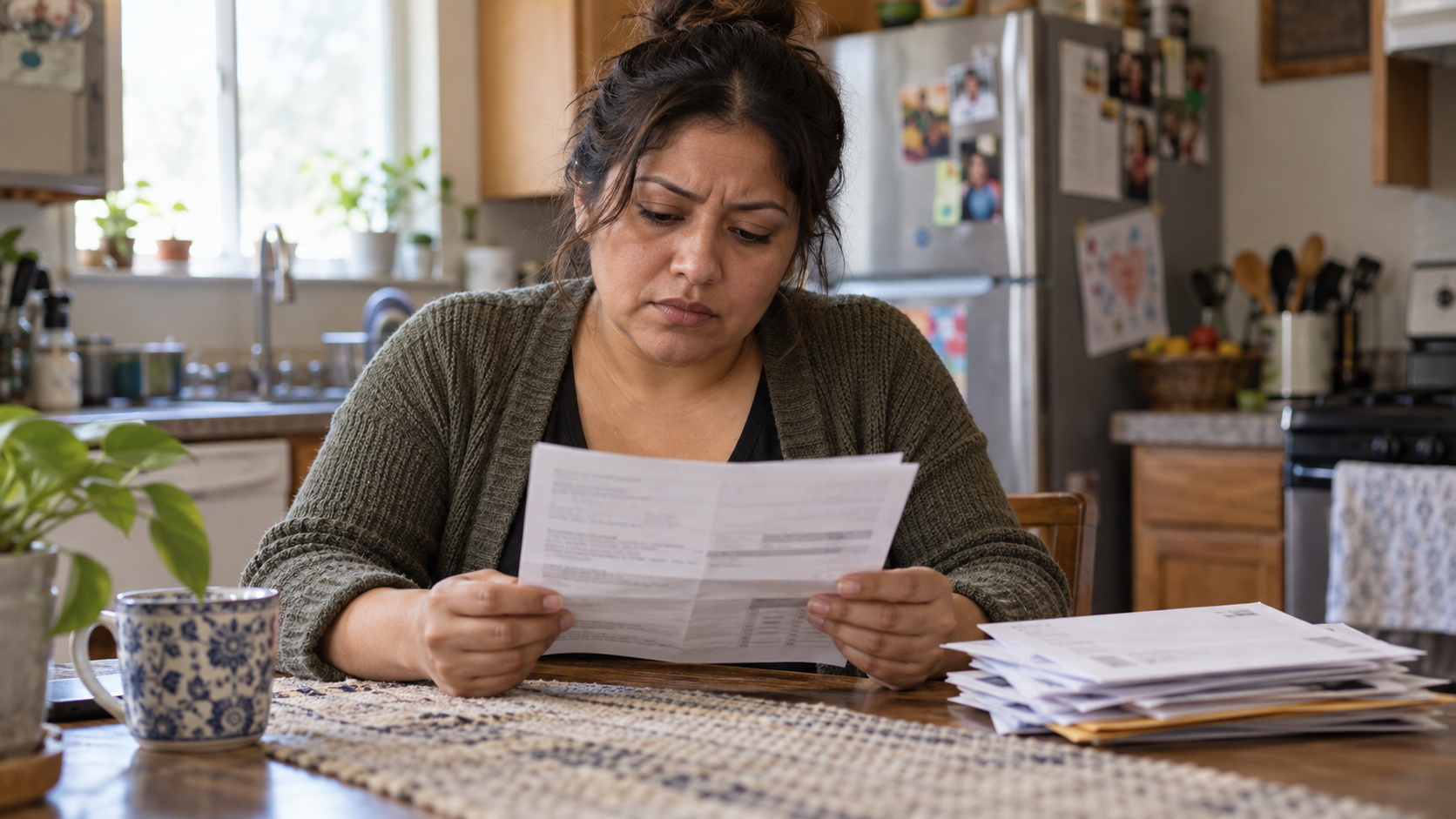
Leaving an abusive relationship is often described as one moment: a packed bag, an open door, a fresh start. That picture leaves out the many decisions a survivor may face before, during, and after a separation.
Where will I sleep? How will I get to work? What happens to my children? Can my partner find me? How will I pay for groceries next week?
These questions deserve thoughtful answers and practical support. During Domestic Violence Awareness Month, Steps to Hope encourages our community to better understand the obstacles survivors navigate—and to offer compassion without placing expectations on someone else’s timeline.
For survivors in Polk County, NC, and Upstate South Carolina, moving toward safety can involve many interconnected decisions. No one’s worth, courage, or right to support depends on whether or when they leave.
Housing Means More Than Somewhere to Sleep
Having a place to go can sound simple until someone considers everything that place must provide.
A survivor may need housing that accommodates children, offers accessibility, allows pets, and makes it possible to keep working. Staying with relatives may be unavailable or unsafe if an abusive partner knows where those relatives live.
Even when a rental is available, application fees, deposits, damaged credit, and limited income can put it out of reach. Emergency shelter may provide temporary safety, while the question of longer-term housing remains. Financial abuse can make securing housing especially difficult. thehotline.org
Understanding these barriers means recognizing that “somewhere else” must also be somewhere a person can realistically live.
Money Can Be a Tool of Control
Financial abuse can limit a survivor’s options long before they consider leaving. An abusive partner may control accounts, restrict access to money, interfere with employment, or create debt in the survivor’s name. Those effects can continue after separation. The Hotline
Someone may earn a paycheck yet have no safe access to it. Another person may have spent years caring for children while being discouraged or prevented from working.
Leaving can mean trying to cover rent, childcare, food, medication, and transportation all at once. Telling someone to “just save up” overlooks the control they may be living under.
At Steps to Hope, conversations about domestic violence include recognizing economic control. A survivor’s financial circumstances deserve understanding, not assumptions about their motivation. Steps to Hope
Transportation Connects Every Other Need
A safe destination is difficult to reach without a dependable way to get there.
A survivor may share one vehicle with an abusive partner, lack access to keys, or have no money for gas. Depending on where someone lives, public transportation or affordable rides may be limited.
Transportation also matters after the first trip away. Getting to work, taking children to school, attending appointments, and buying groceries all require ongoing access. The National Domestic Violence Hotline identifies transportation as a significant barrier to safety and independence. The Hotline
An offer of a ride can be meaningful when it is coordinated with the survivor and fits their safety needs. Practical support begins with asking what would help.
Children Add Questions That Deserve Care
Parents navigating abuse may be weighing several concerns at once: immediate safety, school stability, childcare, medical needs, and what contact with the other parent might involve.
An abusive partner may threaten to take the children or hurt someone if the survivor leaves. A parent may also worry about protecting children during times when they cannot be present. Steps to Hope recognizes these concerns among the reasons leaving can be complicated. Steps to Hope
Pressuring a parent with “Do it for your children” can add shame to an already painful situation. It assumes they have not been thinking about their children all along.
A more supportive response is: “I hear how much you’re considering their needs. What support would help you think through your options?”
Fear May Reflect a Real Understanding of Risk
Survivors often know details about an abusive partner’s behavior that other people never see.
They may recognize a particular threat, a change in tone, or a pattern of retaliation. Their concerns may include stalking, harm to loved ones, workplace harassment, or being found after leaving.
Separation can be an especially dangerous period, and abuse may continue afterward. That is one reason safety planning should reflect the individual situation rather than a deadline set by someone else. thehotline.org
Listening to a survivor’s fears communicates respect for their knowledge of their own circumstances.
Emotional Ties Can Exist Alongside Harm
A survivor may still love their partner. They may remember caring moments, hope promises will be kept, or grieve the future they imagined together.
Family expectations, faith, isolation, and concern about how others will respond can also shape someone’s decisions. These feelings and pressures can exist alongside a clear awareness that the abuse is harmful. The Hotline
Having complicated feelings does not make someone responsible for another person’s behavior. Responsibility for abuse belongs to the person choosing to use it.
Survivors deserve room to speak honestly without worrying that uncertainty will cost them support.
Support Should Not Come With a Deadline
Friends and family may feel frightened or frustrated. Those feelings are understandable, but pressure can make it harder for a survivor to stay connected.
Helpful support can sound like:
“I believe you.”
“You don’t deserve to be treated this way.”
“What feels safest for us to talk about today?”
“Would help with a specific expense or transportation be useful?”
“You can keep talking to me, even if your plans change.”
Ask before taking action. Contacting an abusive partner, arranging a confrontation, or sharing someone’s plans can create risks. Respecting the survivor’s choices helps preserve their control over decisions affecting their life. thehotline.org
You Deserve Support Wherever You Are Today
You do not need every answer before reaching out.
Whether you are trying to understand what is happening, considering your options, or navigating life after separation, your concerns deserve to be heard. Safety planning can address different circumstances, including living with an abusive partner. The Hotline
Steps to Hope offers support for survivors and families in Polk County, NC, and Upstate South Carolina. Call the 24-hour crisis line at 828-894-2340 to discuss your situation and available help. If you are in immediate danger, call 911. stepstohope.org
Your timeline is not a measure of your strength. You deserve safety, dignity, and compassionate support today.
