
Silent Cries for Help: How Trafficking Victims Signal They’re in Danger
Human trafficking thrives in silence.
For many survivors, asking for help out loud is not an option. Traffickers often control where a person goes, who they speak to, what they say, and even how they move. Because of this control, people being trafficked have developed quiet, subtle, and often misunderstood ways to signal that they are in danger.
At Steps to Hope, we believe awareness is one of the strongest tools for prevention and rescue. When everyday people know what to look for, lives can change—and lives can be saved.
Below are some of the most common silent signals and coded ways trafficking victims may try to ask for help.
The “Signal for Help” Hand Gesture
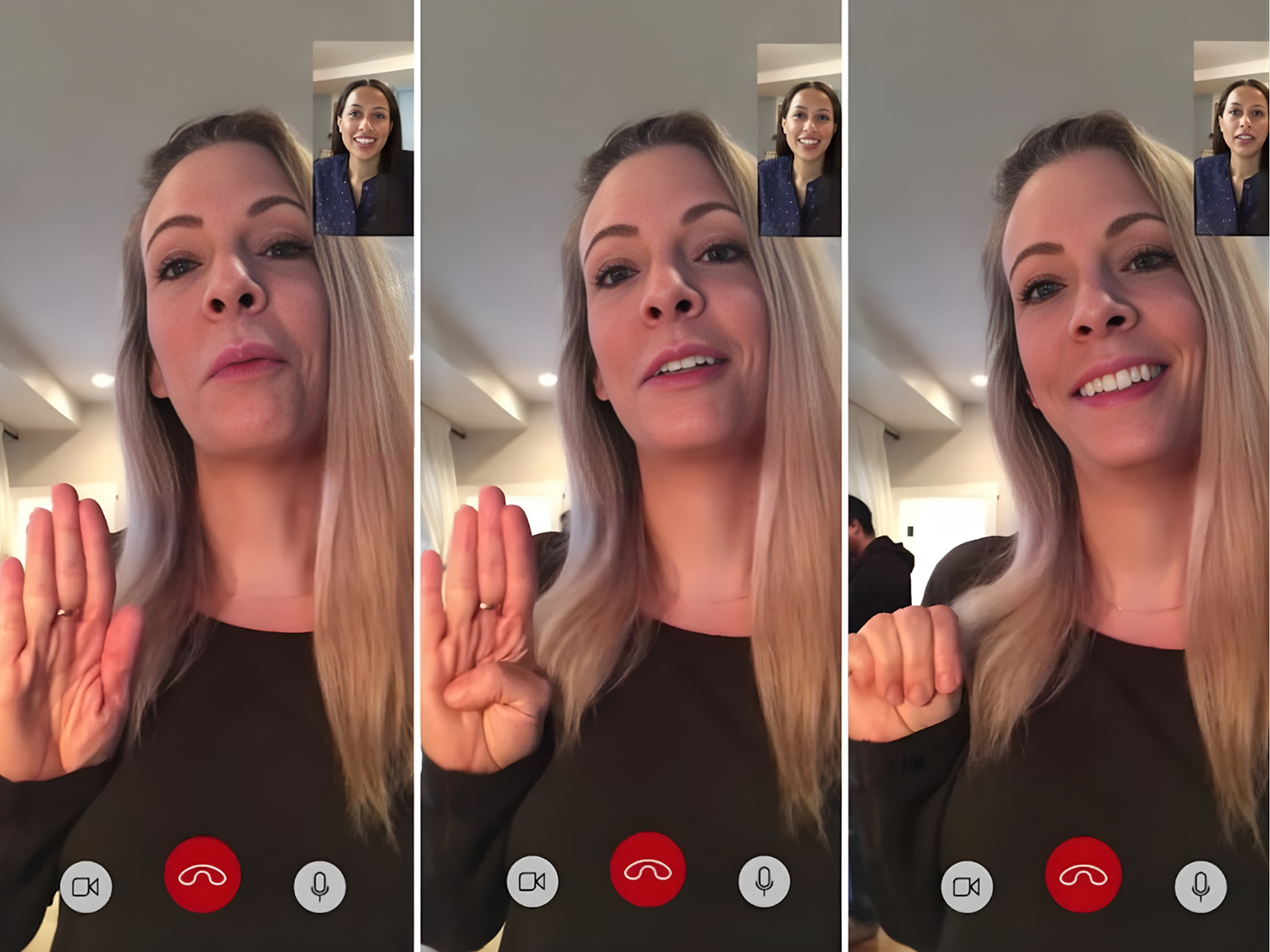
One of the most widely recognized silent signals is a simple hand gesture that can be used in public, on video calls, or around others.
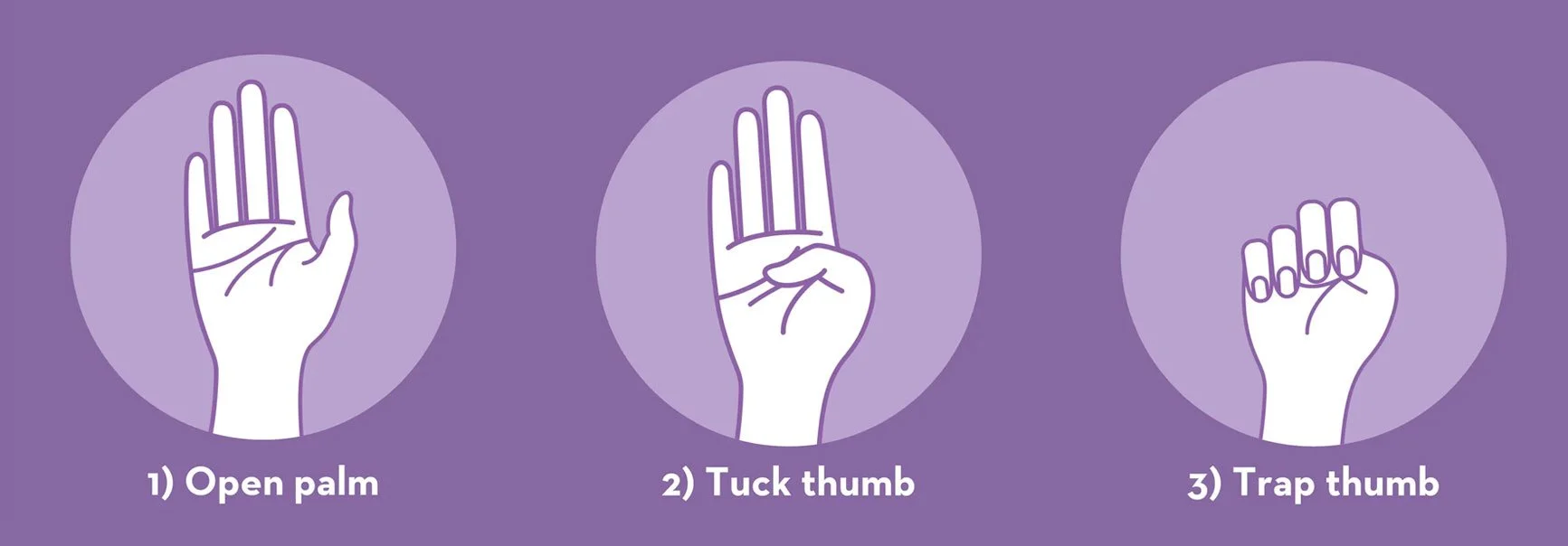
How it works:
Hold one hand up with the palm facing outward
Tuck the thumb into the palm
Close the four fingers over the thumb
What it means:
“I am not safe. I need help.”
This signal was created so it could be used without speaking, without writing, and without drawing attention. It has been used by survivors of human trafficking, domestic violence, and other forms of abuse—especially in situations where someone is being watched or monitored.
Ordering an “Angel Shot” at a Bar or Restaurant
Another lesser-known but important signal is ordering an “Angel Shot.”
What it communicates:
“I am unsafe and need help.”
Depending on staff training, ordering an Angel Shot may mean:
Asking for an escort to a car
Requesting a ride or taxi
Asking staff to call law enforcement
Not all bars or restaurants use this specific phrase, but many hospitality workers are trained to recognize code-word requests that indicate danger.
Written Messages When Speaking Isn’t Safe
When someone cannot safely talk, they may try to leave a message instead.
Examples include:
Writing “HELP,” “SOS,” or “CALL POLICE” on:
Receipts
Napkins
Bathroom walls
Phone notes
Slipping a note to:
A cashier
A nurse or medical professional
A hotel employee
A flight attendant
Showing a phone screen instead of speaking
These messages are often rushed, imperfect, or incomplete—but they are intentional.
Scripted or Unusual Speech Patterns
Trafficking victims may sound rehearsed, controlled, or inconsistent when speaking.
Common indicators include:
Someone else answering questions for them
Repeating the same phrases word-for-word
Avoiding eye contact or looking to another person before responding
Appearing confused about:
Their location
The date or time
Where they live
What job they supposedly have
These behaviors can signal that someone is being coached—or punished for saying the wrong thing.
Body Language That Tells a Story
Even without words, the body often communicates distress.
Possible signs include:
Extreme nervousness or fear
Flinching when someone approaches
Appearing withdrawn, submissive, or hyper-alert
Wearing clothing inappropriate for the weather
Signs of exhaustion, untreated injuries, or neglect
At Steps to Hope, we recognize that trauma shows up physically as well as emotionally.
Attempts to Create Separation
Sometimes the signal for help is simply trying to be alone for a moment.
This can look like:
Asking to use the restroom alone
Pretending to feel sick
Asking a worker a question that requires privacy
Delaying or stalling to create distance from the trafficker
Healthcare settings, hotels, and public venues are especially critical moments where separation can lead to safety.
Phone-Based Signals
When access is limited, phones may be a survivor’s only lifeline.
Possible indicators include:
Silent phone calls
Calling emergency services and hanging up
Sending vague texts such as:
“If you don’t hear from me, get help”
Repeated searches for hotlines or escape information
These are often last-resort attempts to be seen.
Why Awareness Matters
Not every person being trafficked knows these signals.
Not every situation allows them to use one safely.
That’s why community awareness is essential.
At Steps to Hope, we work alongside survivors and communities to bring education, support, and restoration to those impacted by human trafficking. When more people know the signs, traffickers lose power—and survivors gain hope.
What to Do If You Suspect Trafficking
You don’t need proof. Concern is enough.
If someone is in immediate danger, call 911.
You can also contact the National Human Trafficking Hotline:
📞 1-888-373-7888
📱 Text 233733 (BEFREE)
Available 24/7, confidential, and multilingual
Hope Begins With Awareness
Many survivors say it took one person noticing something small to change their story.
By learning these signs—and sharing them—you become part of the solution.
Steps to Hope remains committed to walking alongside survivors, educating communities, and helping turn silent cries into safe futures.
