
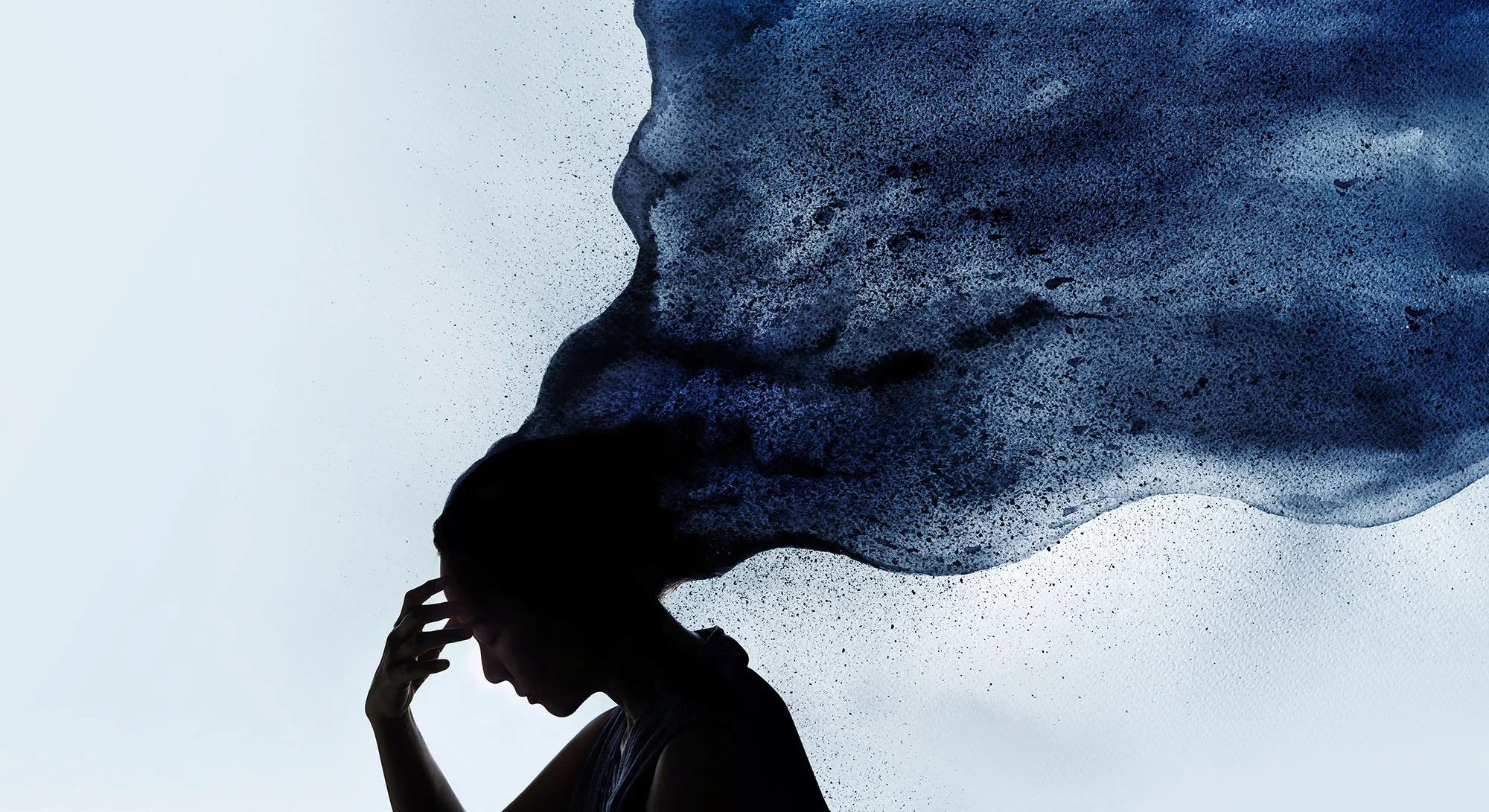
Sexual assault can leave wounds that are not always visible. While physical injuries may heal over time, the emotional and psychological effects often linger much longer. Many survivors carry the hidden impact of sexual assault in silence, struggling with anxiety, depression, fear, shame, or difficulty trusting others. These effects can touch every part of life, from relationships and work performance to sleep, confidence, and overall well-being.
At Steps to Hope, we understand that healing after sexual assault is not only about physical safety—it is also about restoring mental and emotional health. Survivors deserve compassionate support, validation, and access to resources that help them move forward at their own pace.
Trauma Does Not End When the Assault Ends
One of the most misunderstood realities of sexual assault is that trauma often continues long after the event itself. Survivors may appear “fine” on the outside while internally carrying intense emotional pain. Trauma can remain active in the nervous system, meaning the body and mind may continue reacting as though danger is still present.
This can lead to symptoms such as:
Ongoing fear or hypervigilance
Difficulty relaxing or feeling safe
Nightmares or flashbacks
Panic attacks
Trouble concentrating
Mood swings
Irritability
Emotional numbness
These reactions are not signs of weakness. They are common responses to trauma.
At Steps to Hope, we remind survivors that healing is not about “getting over it.” It is about learning how to process trauma safely and rebuild a sense of control.
Anxiety and Constant Fear
Many survivors experience anxiety after sexual assault. This anxiety may show up in obvious ways, such as panic attacks, or in quieter forms like overthinking, restlessness, or constantly expecting something bad to happen.
Simple everyday experiences can become overwhelming:
Walking to a car alone
Being in crowded spaces
Hearing certain sounds
Being touched unexpectedly
Returning to places that feel triggering
Because trauma changes how the brain perceives safety, the world can suddenly feel unpredictable.
Steps to Hope helps survivors understand that these reactions make sense after trauma. With support, coping tools, and counseling, anxiety can become more manageable.
Depression and Emotional Numbness
Sexual assault can also contribute to depression. Survivors may feel sadness, hopelessness, low motivation, or a loss of interest in activities they once enjoyed. Some describe feeling emotionally “flat” or disconnected from life.
Depression after trauma may include:
Withdrawing from loved ones
Sleeping too much or too little
Changes in appetite
Feeling worthless or ashamed
Lack of energy
Difficulty imagining a positive future
These feelings can be especially confusing for survivors who believe they “should be over it by now.”
The truth is that trauma recovery does not follow a schedule. Steps to Hope encourages survivors to seek support early and to know that healing can happen even after months or years of struggling.
Shame, Self-Blame, and Silence
One of the most damaging hidden impacts of sexual assault is shame. Survivors may blame themselves for what happened, question their choices, or fear being judged if they speak up.
Thoughts may sound like:
“I should have done something differently.”
“No one will believe me.”
“It was my fault.”
“I should just move on and stay quiet.”
These beliefs often keep survivors isolated, which can worsen mental health symptoms.
Sexual assault is never the survivor’s fault. At Steps to Hope, we work to replace shame with truth, compassion, and empowerment. Survivors deserve to be heard without blame.
Trust and Relationship Challenges
Trauma can deeply affect relationships. Survivors may struggle to trust partners, friends, family members, or authority figures. Some avoid closeness altogether, while others fear abandonment or rejection.
This can create challenges such as:
Difficulty setting boundaries
Fear of intimacy
Pulling away from supportive people
Feeling misunderstood
Conflict caused by trauma triggers
Loved ones may not always understand why connection feels hard. Education and trauma-informed support can make a major difference.
Steps to Hope helps survivors and families understand how trauma affects relationships so healing can happen with greater compassion.
The Body Carries Trauma Too
Mental health after sexual assault is not only emotional—it is physical as well. Trauma often lives in the body, leading to symptoms that may seem unrelated.
Some survivors experience:
Chronic tension
Headaches
Digestive issues
Fatigue
Trouble sleeping
Rapid heartbeat
Muscle pain
This mind-body connection is real. When the nervous system stays in survival mode, the body can remain under stress.
Healing often includes both emotional support and body-based regulation strategies such as breathing exercises, movement, grounding techniques, and rest.
Healing Is Possible
Although the impact of sexual assault can feel overwhelming, recovery is possible. Healing does not mean forgetting what happened. It means learning to live with greater peace, strength, and freedom.
Helpful steps may include:
Trauma-informed counseling
Support groups
Crisis advocacy services
Building safe relationships
Practicing grounding skills
Creating healthy boundaries
Allowing time and patience
Each survivor’s path is unique. There is no “right way” to heal.
At Steps to Hope, we believe survivors already carry incredible strength. Sometimes healing begins simply by reaching out and letting someone walk beside you.
How Steps to Hope Supports Survivors
Steps to Hope provides compassionate resources for survivors of sexual assault and those impacted by trauma. Support may include advocacy, education, emotional support, and connections to additional services.
Our mission is to help survivors move from crisis toward hope, safety, and healing. No one should have to carry trauma alone.
Whether the assault happened recently or years ago, support is still valid. It is never too late to begin healing.
You Are More Than What Happened to You
Sexual assault can affect mental health in profound ways, but it does not define a survivor’s identity or future. Pain may be part of the story, but it is not the whole story.
With the right support, survivors can rebuild trust, confidence, joy, and peace. Steps to Hope is here to remind every survivor of one powerful truth:
You are not broken. You are healing.
