
When Your World Gets Smaller: How Abusive Partners Use Isolation
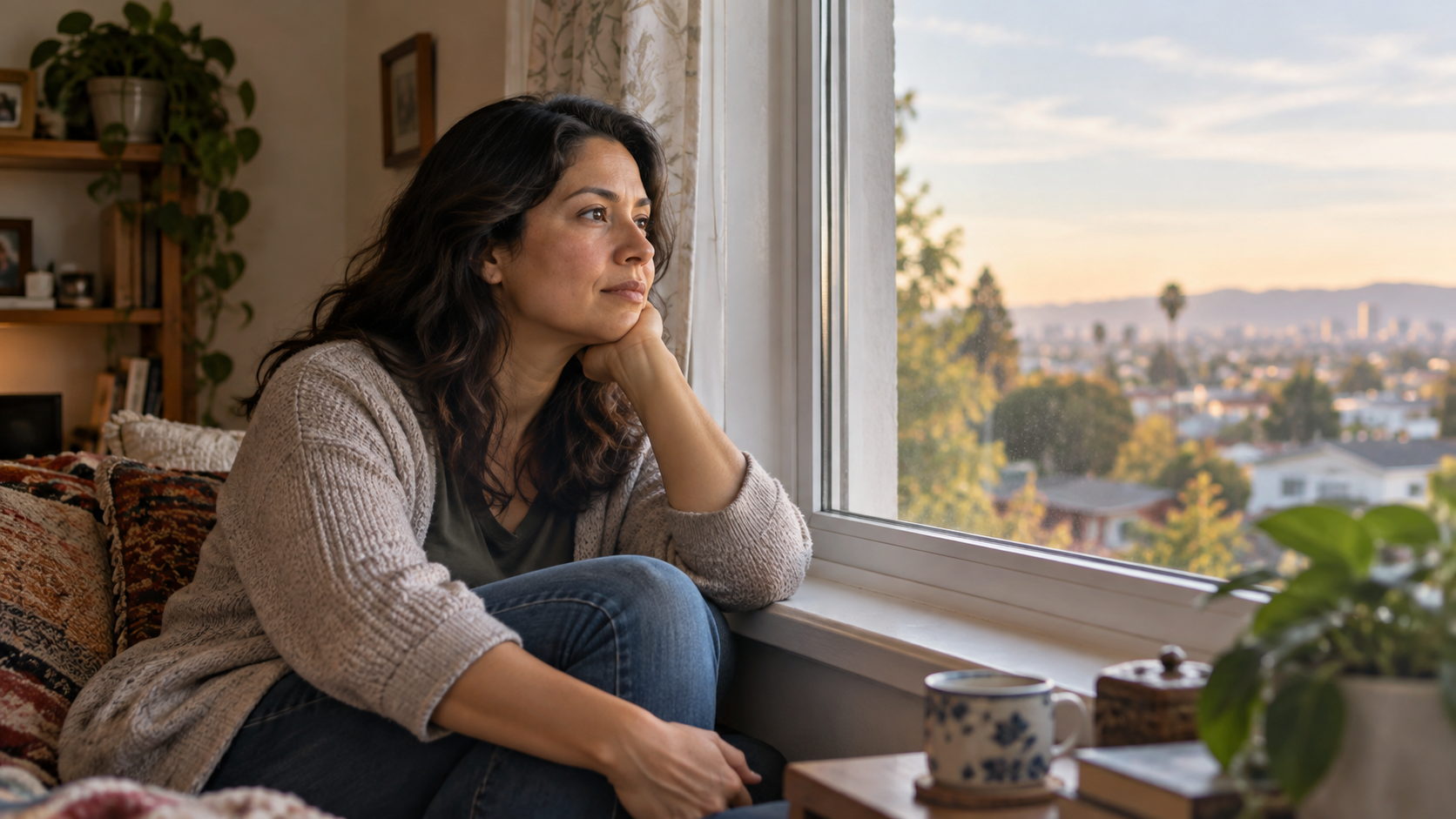
It may start with a missed dinner, a canceled visit, or a friend you stop calling because every conversation leads to an argument at home. Over time, familiar people and activities drift out of reach. Your world becomes smaller, and maintaining a connection begins to feel like more trouble than it is worth.
During Domestic Violence Awareness Month, Steps to Hope encourages our community to recognize isolation as a warning sign of abuse. An abusive partner may gradually separate someone from people who offer encouragement, perspective, and practical help. This can happen without physical violence—and it can be disguised as love, loyalty, or concern. thehotline.org
How Isolation Begins
Early in a relationship, spending considerable time together may feel welcome. The concern develops when closeness becomes an expectation that one person must give up other relationships to keep the peace.
A partner might complain whenever you visit your sister, question why you need friends, or insist that coworkers are a bad influence. You may initially explain these reactions as insecurity or misunderstandings. Eventually, declining invitations seems easier than facing another accusation.
Isolation does not always involve an explicit demand to stop seeing someone. Repeated criticism, jealousy, monitoring, and manipulation can make outside contact feel unsafe or emotionally exhausting. The National Domestic Violence Hotline identifies these behaviors as forms of emotional abuse when they are used to control, isolate, or frighten someone. The National Domestic Violence ...
When Love or Concern Becomes Control
An abusive partner may present restrictions as evidence of devotion: “I just want more time with you,” or “Your family doesn’t understand our relationship.”
Concern becomes controlling when it repeatedly overrides your choices. A partner can express discomfort without deciding whom you may see, demanding access to private conversations, or punishing you for spending time elsewhere.
Consider someone who meets a longtime friend for lunch. Their partner repeatedly calls, demands photographs proving their location, and starts an argument afterward. The next invitation may be declined because the consequences feel overwhelming.
The issue is the pattern: maintaining an ordinary friendship now carries a penalty. Someone experiencing this deserves support, even if their partner describes the behavior as caring.
The Everyday Ways a World Gets Smaller
Isolation can affect nearly every part of daily life:
Guilt: A partner accuses you of being selfish or neglectful whenever you spend time with others.
Jealousy: Ordinary interactions with friends or coworkers lead to accusations of disloyalty.
Criticism: Your partner repeatedly insults loved ones or claims they cannot be trusted.
Transportation restrictions: Keys are withheld, promised rides disappear, or access to gas money is controlled.
Constant demands for attention: Calls and messages interrupt work, visits, classes, or community activities.
Interference with routines: Arguments or manufactured crises repeatedly arise before something important to you.
For example, someone may stop attending a church group because every meeting triggers hours of accusations. Another person may miss family gatherings because their partner controls the household’s only vehicle.
In Polk County, NC, and Upstate South Carolina, distance between homes, workplaces, and services can make transportation especially important. Restricting access to a vehicle can also restrict access to supportive people.
Healthy Boundaries Leave Room for Choice
People sometimes freely choose less social activity, more privacy, or additional time together. Someone may also limit contact with a relative whose behavior is harmful. Those decisions are not automatically signs of abuse.
The difference involves choice, respect, and consequences. Can you disagree without fear? Can you maintain relationships your partner does not personally enjoy? Can you reconsider an arrangement without facing threats or humiliation?
Healthy boundaries allow people to express their needs while respecting another person’s independence. Isolation pressures someone to surrender that independence.
You do not need to settle on a label before asking questions. Steps to Hope offers advocacy and counseling among its services for survivors of violence and their children in Polk County and Upstate South Carolina. Steps to Hope
Why Reaching Out Can Feel Difficult
When contact has faded, reconnecting may feel embarrassing. A survivor might worry that friends are angry, that family members will say “I told you so,” or that explaining the relationship will invite pressure.
They may also be managing genuine safety concerns. A partner might monitor messages, check call histories, or restrict phone access. What looks like withdrawal from the outside may be someone carefully navigating risks others cannot see. The Hotline
If this describes your experience, being isolated does not mean you failed your relationships. You deserve connection and support without having to explain everything at once.
How Loved Ones Can Stay Safely Connected
If you are concerned about someone, start with warmth rather than demands. A simple statement can help: “I care about you. You don’t have to explain anything, but I’m here.”
Ask privately how and when communication is safest. Do not assume texts, emails, voicemail, or social media messages are private. Avoid sending abuse resources unexpectedly when a partner may see them. The Hotline recommends asking survivors how they want to communicate and using supportive messages when they indicate it is safe. The Hotline
Keep invitations gentle. Let the person know they remain welcome even if they have canceled repeatedly. Avoid making support conditional on leaving the relationship or disclosing details.
Offer specific help they can accept or decline, such as a ride, childcare, or time together. Follow their lead before arranging anything. Avoid confronting the abusive partner or announcing plans that could expose the survivor to retaliation.
If the person wants a code word, agree on exactly what it means and what response they want. A personalized safety plan is more useful than guessing during a stressful moment. Loved ones can also contact the National Domestic Violence Hotline for guidance about supporting someone safely. The Hotline
Connection Can Begin With One Small Step
Rebuilding support does not have to happen all at once. It might begin with one safe conversation or asking about available resources.
Steps to Hope provides a 24-hour crisis line, emergency shelter, advocacy, counseling, and group support. Contacting the organization can be a starting point for learning about those services. Steps to Hope
Your relationships, interests, and voice matter. You deserve room to remain yourself—and people who respect your right to make choices.
Help and Support
If someone is in immediate danger, call 911.
Steps to Hope — Polk County, NC, and Upstate South Carolina
24-hour crisis line: 828-894-2340
General email: info@stepstohope.org
Website: www.stepstohope.org
For immediate support, call the crisis line. Website inquiries are answered during business hours, Monday–Friday, 8 a.m.–5 p.m., excluding holidays. Steps to Hope
National Domestic Violence Hotline
Call: 800-799-SAFE (7233)
Text: START to 88788
Visit: thehotline.org The National Domestic Violence Hotline
If you think your device or accounts are monitored, consider using a safer device to seek support, such as a trusted person’s phone, when it is safe to do so.
