
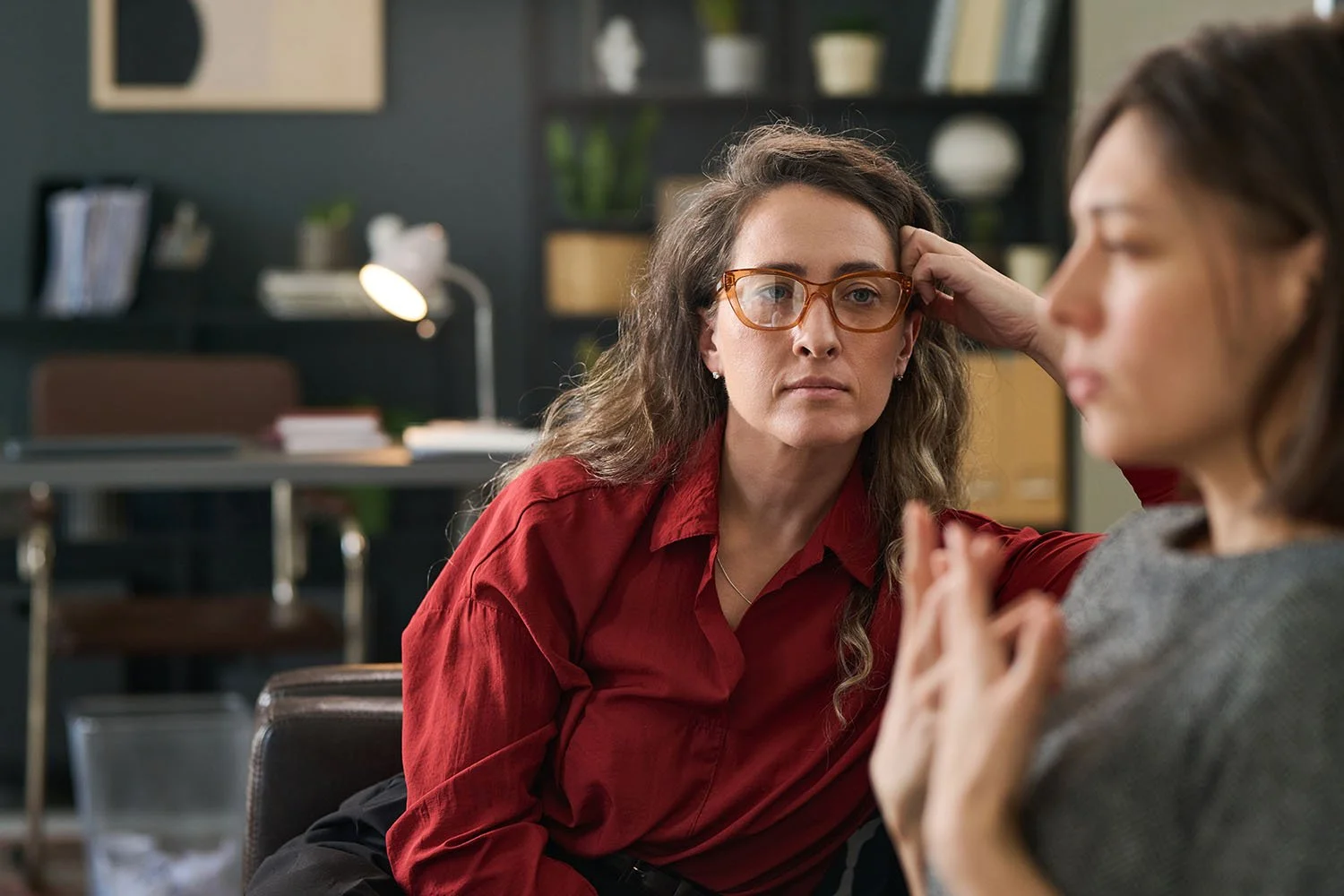
There are moments in life when the weight feels too heavy to hold by yourself.
Maybe it’s the aftermath of trauma.
Maybe it’s anxiety that won’t quiet down.
Maybe it’s memories that surface at the worst times—or emotions you can’t quite name.
Whatever you’re carrying, it’s real. And it matters.
At Steps to Hope, one message is at the heart of everything they do: you don’t have to carry it alone. One of the most powerful ways to begin lightening that weight is by talking to a counselor.
Why We Stay Silent (Even When We’re Struggling)
For many survivors of domestic violence, sexual assault, or trauma, silence can feel safer than speaking up.
You might think:
“I should be over this by now.”
“Other people have it worse.”
“I don’t even know where to start.”
“What if no one understands?”
These thoughts are incredibly common. Silence often grows from fear, shame, confusion, or simply not having had a safe space to process what happened.
But silence can also keep pain stuck.
When experiences go unspoken, they tend to live in the body and mind—showing up as anxiety, difficulty sleeping, irritability, emotional numbness, or feeling constantly on edge. Over time, carrying everything internally can feel exhausting.
That’s where counseling can make a difference.
What Happens When You Start Talking
Talking to a counselor isn’t about having all the right words. It’s about having a safe place to begin.
At Steps to Hope, counseling services are designed to meet you where you are—without judgment, pressure, or expectations.
Here’s what often begins to shift when someone starts talking:
1. You Feel Seen and Heard
One of the most immediate impacts of counseling is validation.
Instead of minimizing your experience or questioning your feelings, a trained counselor listens—really listens. That alone can be powerful. Being heard without judgment can help you feel less alone and more grounded in your own truth.
2. You Begin to Make Sense of What You’ve Been Through
Trauma can be confusing. It can distort how you see yourself, others, and the world around you.
Talking things through with a counselor helps you:
Organize your thoughts
Understand your reactions
Recognize patterns
Reframe self-blame
What once felt overwhelming and chaotic can start to feel more understandable.
3. You Learn Healthy Ways to Cope
Counseling isn’t just about talking—it’s also about learning tools.
At Steps to Hope, counselors can help you develop coping strategies tailored to your needs, such as:
Grounding techniques for anxiety
Ways to manage triggers
Emotional regulation skills
Boundaries in relationships
Self-care practices that actually work for you
These tools don’t erase what happened—but they can make daily life feel more manageable.
4. You Start Rebuilding Trust in Yourself
After trauma, many survivors struggle with self-doubt.
You might question your instincts, your decisions, or your ability to trust others. Counseling creates space to rebuild that trust—starting from within.
Over time, you may begin to:
Feel more confident in your choices
Recognize your own resilience
Trust your voice again
That process doesn’t happen overnight—but it does happen.
Counseling Isn’t About “Fixing” You
It’s important to understand: counseling is not about fixing something that’s broken.
You are not broken.
Counseling is about support, understanding, and growth. It’s about giving yourself permission to process what you’ve experienced and to move forward in a way that feels right for you.
At Steps to Hope, counselors recognize that healing is not linear. Some days may feel lighter. Others may feel heavy again. Both are part of the process.
What matters is that you don’t have to navigate it alone.
What to Expect from Counseling at Steps to Hope
Taking the first step can feel intimidating, especially if you’ve never spoken to a counselor before.
Here’s what you can expect when you reach out to Steps to Hope:
A Safe, Confidential Space
Your story is yours. Counseling sessions are private and designed to protect your safety and dignity.
Compassionate, Trauma-Informed Care
Counselors understand the complexities of trauma and respond with empathy, not judgment.
Support at Your Pace
You decide what to share and when. There is no pressure to talk about anything before you’re ready.
Connection to Additional Resources
In addition to counseling, Steps to Hope offers advocacy, emergency shelter, and other support services for individuals and families in Polk County, NC and Upstate South Carolina.
This holistic approach ensures that you’re supported not just emotionally, but practically as well.
Breaking the Stigma Around Asking for Help
One of the biggest barriers to counseling is stigma.
Some people grow up believing that asking for help is a sign of weakness. Others worry about what people might think.
But the truth is this: reaching out takes courage.
Choosing to talk to a counselor is not a sign that you’re falling apart—it’s a sign that you’re taking care of yourself.
It’s a decision to stop carrying everything on your own.
You Deserve Support—No Matter Your Story
You don’t have to wait until things feel unbearable to seek counseling.
You don’t have to have the “right” reason.
Whether you’re dealing with recent trauma, past experiences, ongoing stress, or simply feeling overwhelmed, your feelings are valid. Your experiences matter.
And support is available.
At Steps to Hope, individuals from all walks of life are welcomed with compassion and respect. There is no one-size-fits-all approach—only a commitment to helping you feel safer, stronger, and more supported.
Taking the First Step
Reaching out can be the hardest part.
You might hesitate. You might second-guess yourself. That’s okay.
But if you’re feeling the weight of everything you’ve been carrying, consider this your reminder:
You don’t have to do this alone.
Talking to a counselor at Steps to Hope can be the beginning of something different—something lighter, clearer, and more supported.
It doesn’t mean everything changes overnight. But it does mean you’ve taken a step toward healing.
And that step matters.
If you or someone you know in Polk County, NC or Upstate South Carolina could benefit from counseling or support services, Steps to Hope is here to help. Reach out today to learn more about available resources and how to get started.
