
You’re Not “Too Sensitive”: Understanding Trauma and Emotional Responses
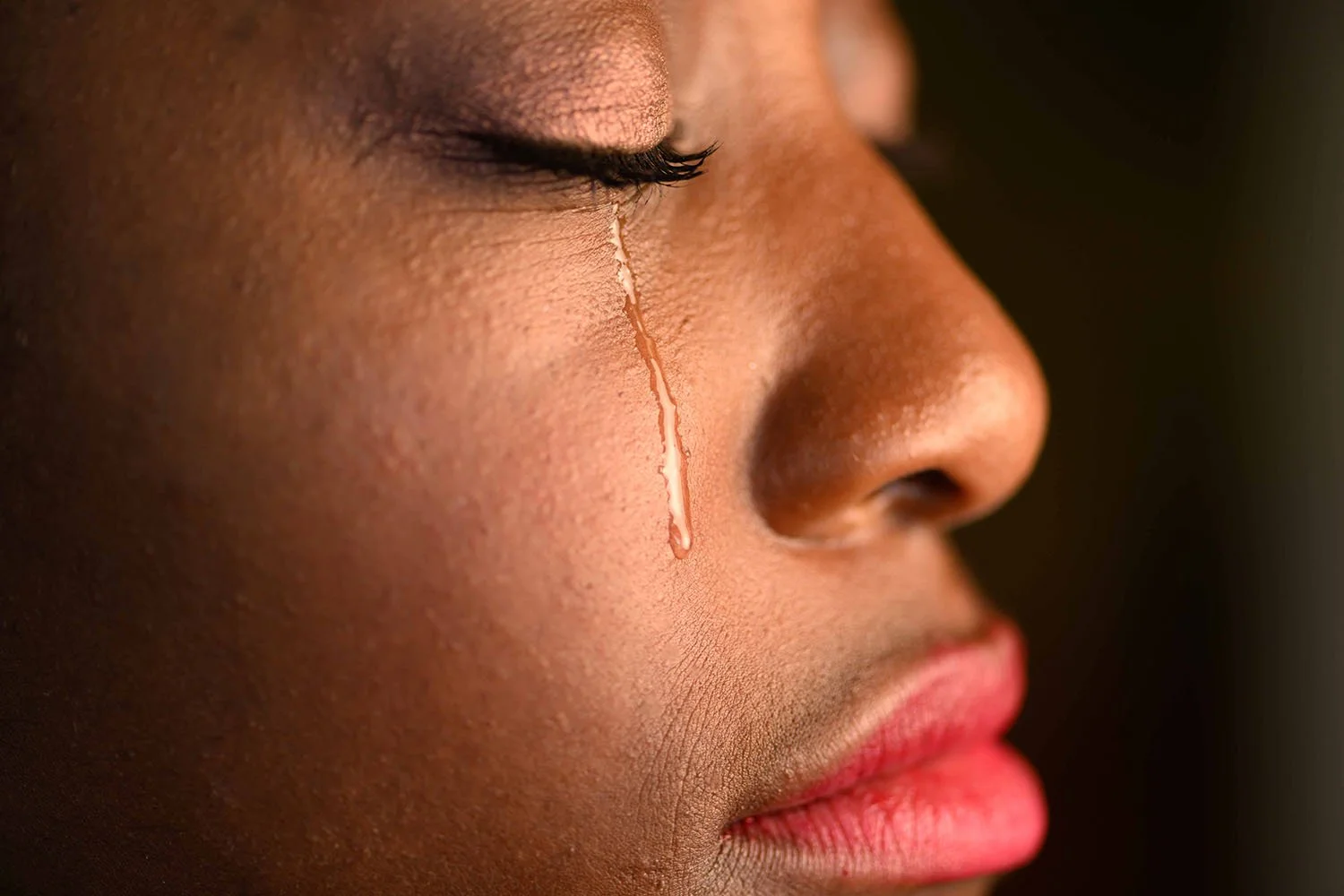
When someone says, “You’re too sensitive,” it can feel dismissive, frustrating, and deeply painful. Over time, many people begin to believe it. They start questioning their emotions, apologizing for their reactions, or trying to “toughen up” to avoid criticism. But for many survivors of trauma, emotional responses are not signs of weakness or overreacting. They are often signs of a nervous system that has learned to stay alert in order to survive.
At Steps to Hope, we work with survivors across Polk County, North Carolina and Upstate South Carolina who are navigating the lasting emotional effects of trauma, abuse, violence, and crisis situations. One of the most common things we hear is, “I feel like something is wrong with me.” The truth is, trauma can change the way the brain and body respond to stress, relationships, conflict, and even everyday situations.
Understanding trauma responses can help survivors move from shame to self-awareness — and ultimately toward healing.
Trauma Changes the Way the Brain Responds
Trauma is not simply about what happened to you. It is also about what happened inside of you as a result.
When a person experiences abuse, neglect, violence, manipulation, or ongoing fear, the brain begins adapting to survive. The nervous system becomes more sensitive to potential danger. This can create emotional responses that seem “too big” to others, even though they make complete sense in the context of trauma.
For example, someone who has experienced emotional abuse may become extremely anxious during conflict. A survivor of domestic violence may react strongly to raised voices or sudden anger. Someone who has endured years of criticism may become deeply hurt by rejection or perceived disapproval.
These are not character flaws. They are protective responses developed over time.
At Steps to Hope, we help survivors throughout Polk County, NC and Upstate South Carolina understand that trauma responses are often survival mechanisms, not signs of being “dramatic” or “too emotional.”
Common Trauma Responses That Are Often Misunderstood
Many trauma responses are invisible to others. Because people may not understand the root cause, survivors are sometimes labeled as overly sensitive, reactive, difficult, or emotional.
Here are some common emotional responses connected to trauma:
Hypervigilance
Hypervigilance is when the body constantly scans for danger. A person may feel on edge, startled easily, or anxious in situations that appear harmless to others.
This can look like:
Overthinking conversations
Reading deeply into tone or body language
Feeling unsafe in crowded places
Struggling to relax
Expecting conflict or rejection
For survivors in abusive or unpredictable environments, staying alert once helped keep them safe.
Emotional Overwhelm
Trauma can make emotions feel more intense and harder to regulate. Survivors may cry easily, shut down during stress, or feel emotionally flooded during arguments.
This is not weakness. When the nervous system has been overloaded repeatedly, even small stressors can trigger strong reactions.
People-Pleasing
Many survivors learn to prioritize other people’s emotions in order to avoid conflict or danger. They may struggle to say no, fear disappointing others, or feel responsible for everyone around them.
People-pleasing is often rooted in survival, especially for those who experienced emotional abuse, controlling relationships, or unstable environments.
Withdrawal and Isolation
Some trauma survivors avoid emotional closeness because vulnerability feels unsafe. Others isolate themselves after difficult experiences because they fear judgment or rejection.
Unfortunately, isolation can increase feelings of shame and loneliness.
At Steps to Hope, we encourage survivors across Upstate South Carolina and Polk County to recognize these patterns with compassion instead of criticism.
Why Survivors Often Feel Ashamed of Their Emotions
Many people grow up hearing messages like:
“You’re overreacting.”
“Stop being so emotional.”
“You need thicker skin.”
“It’s not that big of a deal.”
Over time, survivors may begin invalidating themselves before anyone else can. They minimize their pain, suppress emotions, or feel embarrassed for having needs.
But emotional sensitivity is not always a problem to fix.
In many cases, survivors become deeply empathetic, intuitive, compassionate, and emotionally aware because of what they have endured. The goal is not to eliminate emotion. The goal is learning how to feel safe enough to process emotions without shame.
At Steps to Hope, we believe healing begins when survivors stop viewing themselves as “broken” and start understanding the impact trauma has had on their nervous system and emotional health.
Trauma Responses Can Affect Relationships
Unhealed trauma often shows up in relationships — not because survivors are “difficult,” but because trauma shapes how people experience safety, trust, and connection.
A trauma survivor may:
Fear abandonment
Struggle with trust
Avoid conflict at all costs
Become emotionally guarded
Need reassurance
Feel anxious when communication changes
Without understanding trauma, partners, friends, or family members may misinterpret these reactions.
This is why education and support matter so much.
Communities throughout Polk County, NC and Upstate South Carolina are becoming more aware of the importance of trauma-informed care, emotional health support, and survivor advocacy. Organizations like Steps to Hope are helping individuals recognize that healing involves both emotional safety and practical support.
Healing Starts with Self-Compassion
One of the hardest parts of healing is learning to stop attacking yourself for the ways trauma affected you.
Self-compassion does not mean ignoring unhealthy behaviors or refusing accountability. It means understanding why certain emotional responses exist and responding to yourself with patience instead of shame.
Healing may include:
Counseling or therapy
Support groups
Journaling
Learning emotional regulation skills
Building safe relationships
Practicing grounding techniques
Setting healthy boundaries
For many survivors, healing also involves relearning what safety feels like.
At Steps to Hope, we provide support, advocacy, and resources for survivors working to rebuild confidence, emotional stability, and hope after trauma.
You Deserve Support — Not Judgment
No one chooses trauma. No one chooses the emotional wounds left behind by abuse, violence, manipulation, or fear. The emotional responses you experience today may be connected to what your mind and body had to do to survive yesterday.
You are not “too sensitive” for wanting safety.
You are not weak for feeling deeply.
You are not broken because trauma changed you.
Healing is possible, and support matters.
For survivors in Polk County, NC and Upstate South Carolina, Steps to Hope offers compassionate services and resources designed to help individuals move forward after trauma. Whether you are seeking counseling support, advocacy, education, or simply a safe place to begin, you do not have to navigate healing alone.
Understanding your emotional responses is not about labeling yourself. It is about recognizing that your experiences matter — and that healing starts when you stop blaming yourself for surviving.
